How to Make a Triple Old Fashioned
Clothes shopping used to be an occasional consequence—something that happened a few times a year when the seasons changed or when we outgrew what we had. Simply nigh 20 years agone, something changed. Clothes became cheaper, trend cycles sped up, and shopping became a hobby. Enter fast fashion and the global bondage that now boss our loftier streets and online shopping . But what is fast way? And how does it impact people, the planet, and animals?
It was all too adept to be true. All these stores selling absurd, trendy article of clothing y'all could buy with your loose change, wear a handful of times, and then throw away. Suddenly everyone could afford to dress like their favourite celebrity or wear the latest trends fresh from the catwalk.
So in 2013, the globe had a reality bank check when the Rana Plaza clothing manufacturing complex in Bangladesh collapsed , killing over one,000 workers. That'due south when consumers really started questioning fast way and wondering at the truthful price of those $5 t-shirts . If you're reading this article, you might already be aware of fast way'due south nighttime side, but it's worth exploring how the industry got to this point—and how we can help to change it.
What is fast style?
Fast manner can be defined every bit cheap, trendy clothing that samples ideas from the catwalk or glory culture and turns them into garments in high street stores at breakneck speed to run across consumer need. The thought is to get the newest styles on the market as fast as possible, so shoppers can snap them up while they are even so at the height of their popularity and then, sadly, discard them after a few wears. It plays into the thought that outfit repeating is a way faux pas and that if you want to stay relevant, you take to sport the latest looks equally they happen. It forms a central role of the toxic system of overproduction and consumption that has fabricated way 1 of the world's largest polluters. Before we tin can go well-nigh irresolute it, let's take a await at the history.
How did fast fashion happen?
To sympathise how fast mode came to exist, we need to rewind a bit. Before the 1800s, fashion was slow. Y'all had to source your ain materials like wool or leather, ready them, weave them, and then make the clothes.
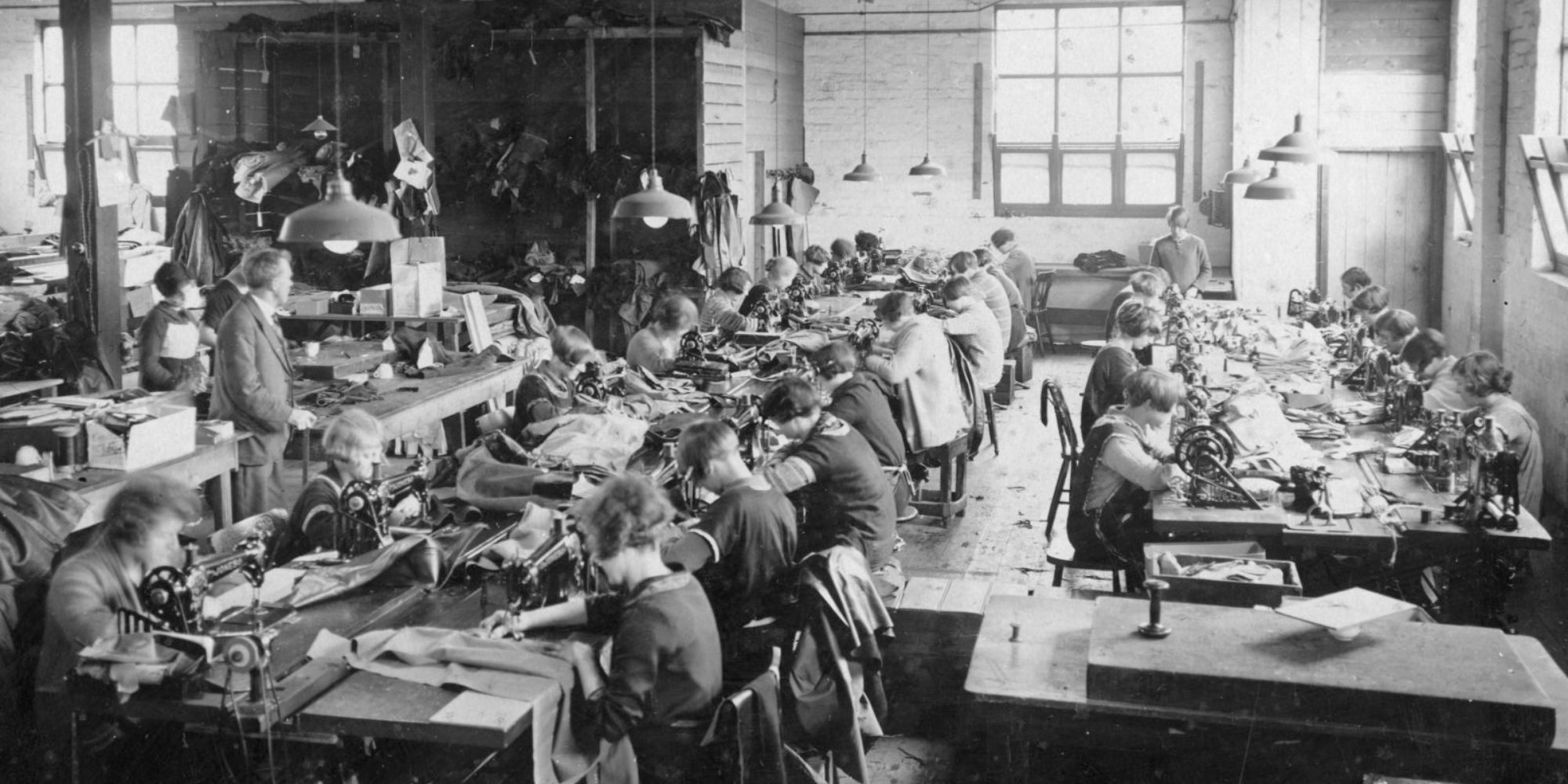
The Industrial Revolution introduced new technology—like the sewing machine. Clothes became easier, quicker, and cheaper to make. Dressmaking shops emerged to cater to the middle classes.
Many of these dressmaking shops used teams of garment workers or home workers. Around this fourth dimension, sweatshops emerged, forth with some familiar prophylactic issues. The first significant garment manufacturing plant disaster was when a fire broke out in New York's Triangle Shirtwaist Factory in 1911. Information technology claimed the lives of 146 garment workers, many of whom were young female immigrants .
Past the 1960s and 70s, young people were creating new trends, and clothing became a form of personal expression, just in that location was still a distinction between high fashion and high street.
In the late 1990s and 2000s, low-cost mode reached a peak. Online shopping took off, and fast-manner retailers like H&M, Zara, and Topshop took over the loftier street. These brands took the looks and design elements from the top fashion houses and reproduced them quickly and cheaply. With everyone at present able to shop for on-trend clothes whenever they wanted, it's easy to understand how the phenomenon defenseless on.
How to spot a fast fashion brand
Some central factors are common to fast mode brands:
- Thousands of styles, which touch on all the latest trends.
- Extremely short turnaround time between when a trend or garment is seen on the catwalk or in celebrity media and when it hits the shelves.
- Offshore manufacturing where labour is the cheapest, with the use of workers on low wages without acceptable rights or rubber and complex supply chains with poor visibility beyond the start tier.
- A express quantity of a detail garment—this is an idea pioneered by Zara. With new stock arriving in store every few days, shoppers know if they don't buy something they similar, they'll probably miss their chance.
- Cheap, low quality materials like polyester , causing clothes to degrade after just a few wears and get thrown away.
What'south the impact of fast fashion?
On the planet
Fast fashion'southward impact on the planet is immense . The pressure to reduce costs and speed up production fourth dimension ways that environmental corners are more probable to be cut. Fast fashion's negative bear on includes its use of inexpensive, toxic textile dyes—making the fashion industry the 2d largest polluter of make clean h2o globally after agriculture. That's why Greenpeace has been pressuring brands to remove dangerous chemicals from their supply chains through its detoxing fashion campaigns through the years.
Cheap textiles likewise increase fast manner's touch on. Polyester is one of the virtually popular fabrics. It is derived from fossil fuels, contributes to global warming, and can shed microfibres that add to the increasing levels of plastic in our oceans when washed. But fifty-fifty 'natural fabrics' tin can exist a problem at the calibration fast fashion demands. Conventional cotton fiber requires enormous quantities of water and pesticides in developing countries. This results in drought risks and creates extreme stress on water basins and competition for resource betwixt companies and local communities.
The constant speed and need mean increased stress on other environmental areas such as land clearing, biodiversity, and soil quality. The processing of leather besides impacts the environs, with 300kg of chemicals added to every 900kg of animal hides tanned.
The speed at which garments are produced also means that more than and more clothes are disposed of by consumers, creating massive fabric waste. In Commonwealth of australia solitary, more 500 million kilos of unwanted wear ends up in landfill every year.
On workers
Every bit well as the ecology cost of fast fashion, there's a human cost.
Fast fashion impacts garment workers who work in dangerous environments, for low wages, and without fundamental human being rights. Farther down the supply chain, the farmers may work with toxic chemicals and brutal practices that can have devastating impacts on their physical and mental health, a plight highlighted by the documentary The True Cost .
On animals
Animals are too impacted past fast style. In the wild, the toxic dyes and microfibres released in waterways are ingested by land and marine life alike through the food concatenation to devastating effect. And when animal products such equally leather, fur, and fifty-fifty wool are used in fashion direct, animal welfare is put at risk. Equally an example, numerous scandals reveal that existent fur, including true cat and dog fur, is often being passed off as fake fur to unknowing shoppers. The truth is that there is and then much real fur being produced nether terrible weather condition in fur farms that information technology'southward become cheaper to produce and purchase than faux fur!
On consumers
Finally, fast fashion can impact consumers themselves, encouraging a 'throw-away' civilization because of both the built-in obsolescence of the products and the speed at which trends emerge. Fast manner makes us believe we need to store more and more to stay on elevation of trends, creating a constant sense of need and ultimate dissatisfaction. The tendency has also been criticised on intellectual property grounds, with some designers alleging that retailers accept illegally mass-produced their designs.
Who are the large players?
Many retailers we know today as the fast fashion large players, like Zara or H&M , started as smaller shops in Europe effectually the 1950s. Technically, H&Yard is the oldest of the fast fashion giants , having opened as Hennes in Sweden in 1947, expanding to London in 1976, and before long, reaching united states in 2000.
Zara follows, which opened its first store in Northern Espana in 1975 . When Zara landed in New York at the beginning of the 1990s, people start heard the term 'fast fashion'. It was coined by the New York Times to describe Zara's mission to take merely 15 days for a garment to go from the blueprint phase to beingness sold in stores.
Other big names in fast mode today include UNIQLO, GAP, Primark, and TopShop. While these brands were in one case seen every bit radically cheap disruptors, at that place are now even cheaper and faster alternatives like Missguided, Forever 21, Zaful, Boohoo, and Fashion Nova. Thankfully, there are ethical alternatives worth your back up .
Is fast fashion going green?
As an increasing number of consumers phone call out the true cost of the fashion industry, and especially fast fashion, we've seen a growing number of retailers introduce sustainable and ethical fashion initiatives such as in-shop recycling schemes. These schemes allow customers to drib off unwanted items in 'bins' in the brands' stores. But it's been highlighted that simply 0.1% of all vesture collected by charities and accept-back programs is recycled into new textile fibre.
The underlying issue with fast style is the speed at which it is produced, putting massive pressure on people and the environs. Recycling and small eco or vegan habiliment ranges—when they are not just for greenwashing —are non enough to counter the 'throw-away civilisation', the waste, the strain on natural resources, and the myriad of other problems created by fast mode. The whole system needs to be changed.
Is fast mode in decline?
We are starting to see some changes in the fashion industry. The ceremony of the Rana Plaza collapse is now Fashion Revolution Calendar week , where people all over the world ask, "Who Made My Clothes?". Fashion Revolution declares that "we don't desire our clothes to exploit people or destroy our planet".
Millennials and Gen Zers, the drivers of the future economy, may not have caught the fast fashion bug. Some have argued that this generation has "grown too clever for mindless consumerism, forcing producers to go more ethical, more inclusive, and more liberal" .
There is besides a growing interest in moving towards a more than circular textile production model, reusing materials wherever and whenever possible. In 2018 both Vogue Australia and Elle United kingdom of great britain and northern ireland defended entire magazine issues to sustainable mode, a trend being taken up each year by more and more big names.
What tin can we do?
At Practiced On Y'all, we beloved this quote by British designer Vivienne Westwood, " buy less, choose well, make it final ."
Buying Less is the offset step—try to autumn back in beloved with the apparel you already own past styling them differently or even 'flipping' them. Why non turn those old jeans into some trendy unhemmed shorts , or requite that baggy old jumper new life by turning it into a crop ? Creating a capsule wardrobe is too worth considering on your upstanding manner journey.
Choose Well is the second footstep, and choosing an eco-friendly fabric is essential here. In that location are pros and cons to all fibre types, every bit seen in our ultimate guide to wear materials, but there is a helpful chart at the cease to refer to when purchasing. Choosing well could as well mean committing to merely shopping 2d mitt , or from sustainable brands like those below.
Finally, we should Make It Last and look after our clothes by following the care instructions, wearing them until they are worn out , mending them wherever possible, then responsibly recycling them at the very end of their life.
Learn about fast fashion's sustainable alternative, slow fashion.
Hither are our favourite brands giving fast mode the picture show and embodying a tiresome, circular, more sustainable fashion of wearing:
Whimsy + Row
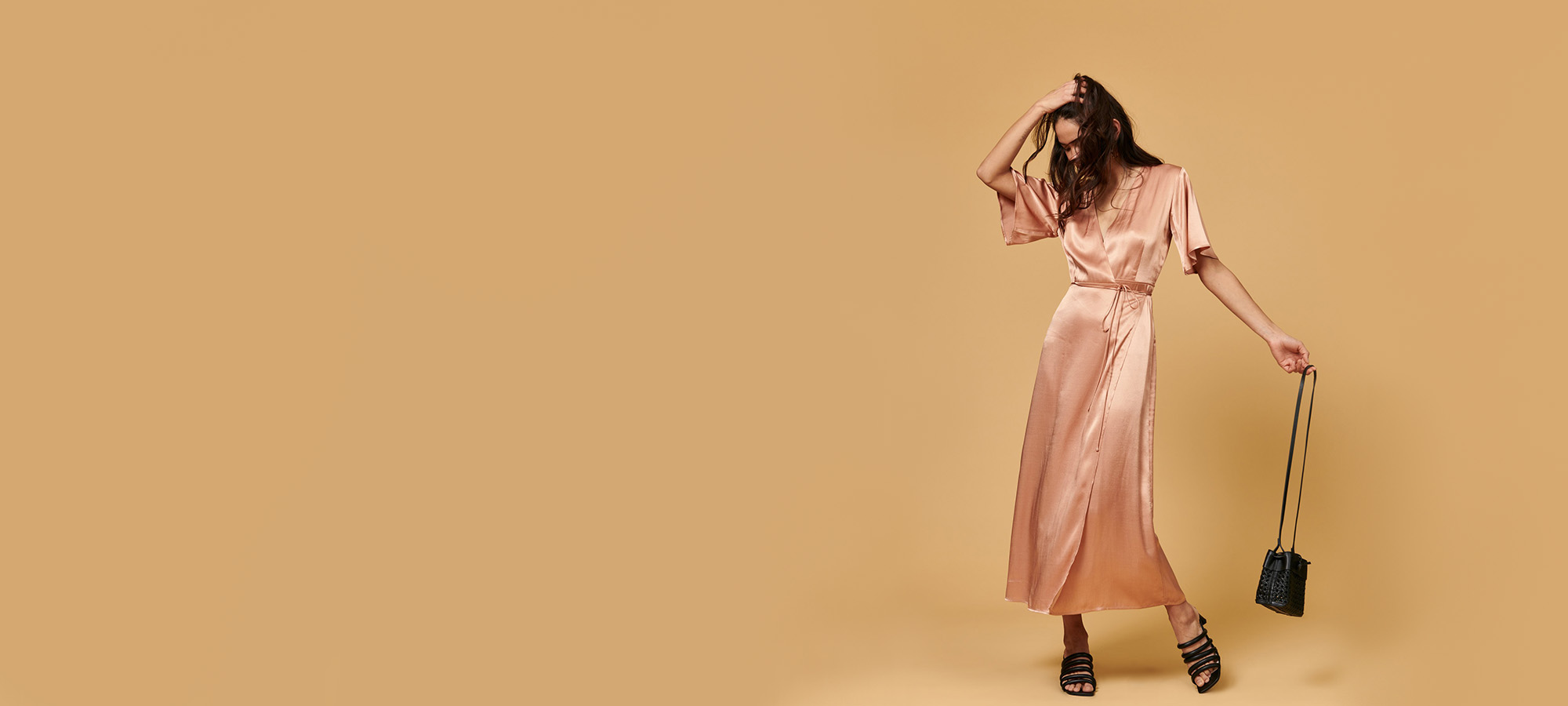
Whimsy + Row is an eco-conscious lifestyle brand born out of a love for quality goods and sustainable practices. Since 2014, its mission has been to provide ease and elegance for the modern, sustainable woman. Whimsy + Row utilises deadstock fabric, and by limiting each garment to curt runs, the make also reduces packaging waste and takes care of precious water resource. Find virtually products in XS-40.
Run into the rating.
Shop Whimsy + Row.
Shop Whimsy + Row @ Earthkind.
Afends

Afends is an Australia-based style brand leading the way in organic hemp fashion, using renewable energy in its supply chain to reduce its climate impact. You tin discover the full range in sizes XS-Xl.
See the rating.
Shop Afends.
Outland Denim
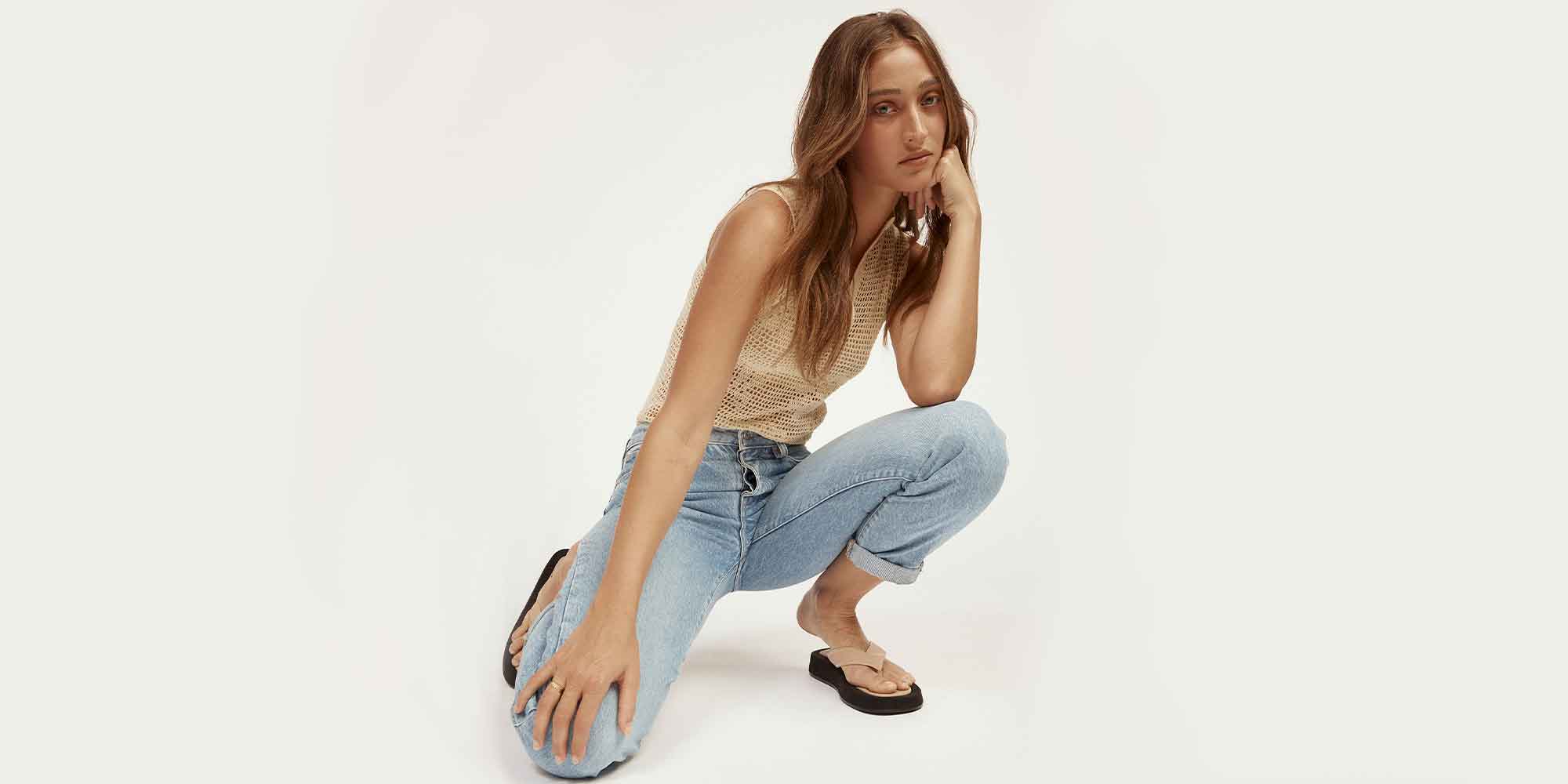
Outland Denim makes premium denim jeans and wearing apparel, and offers upstanding employment opportunities for women rescued from human trafficking in Cambodia. This Australian brand was founded equally an artery for the training and employment of women who accept experienced sex activity trafficking. Observe nigh of the make'southward range in US sizes 22-34.
See the rating.
Shop Outland Denim.
Aye Friends
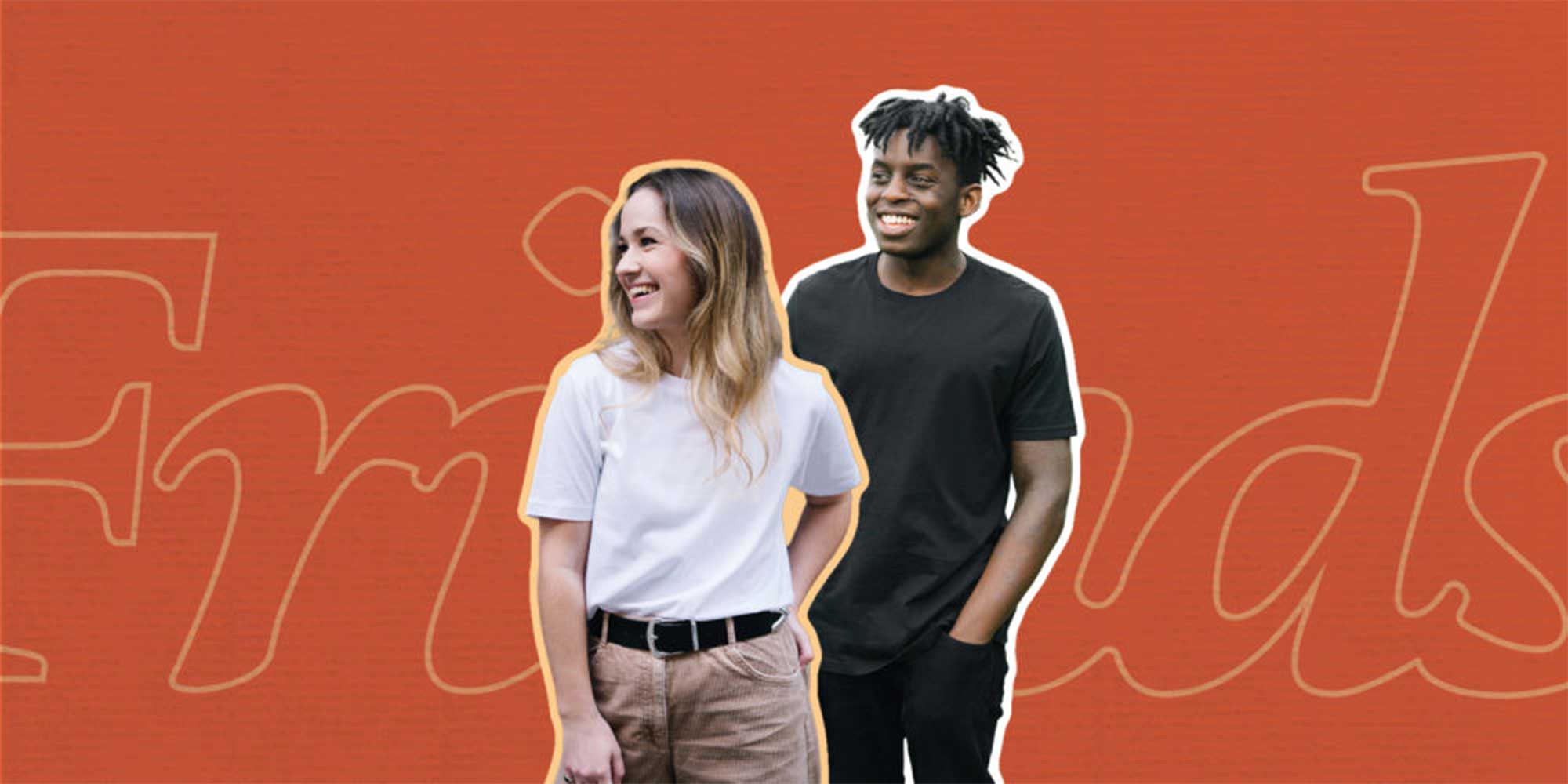
Yes Friends is a Uk-based mode brand that creates sustainable, upstanding, and affordable vesture for everyone. Yes Friends' t-shirts cost less than £4 to brand and the brand only charges £7.99. Using large scale product and directly to consumer margins means Yes Friends can charge you an affordable price for a sustainable and ethical t-shirt. Find the tees in sizes 2XS to 2XL.
Run across the rating.
Shop Yeah Friends.
Harvest & Mill
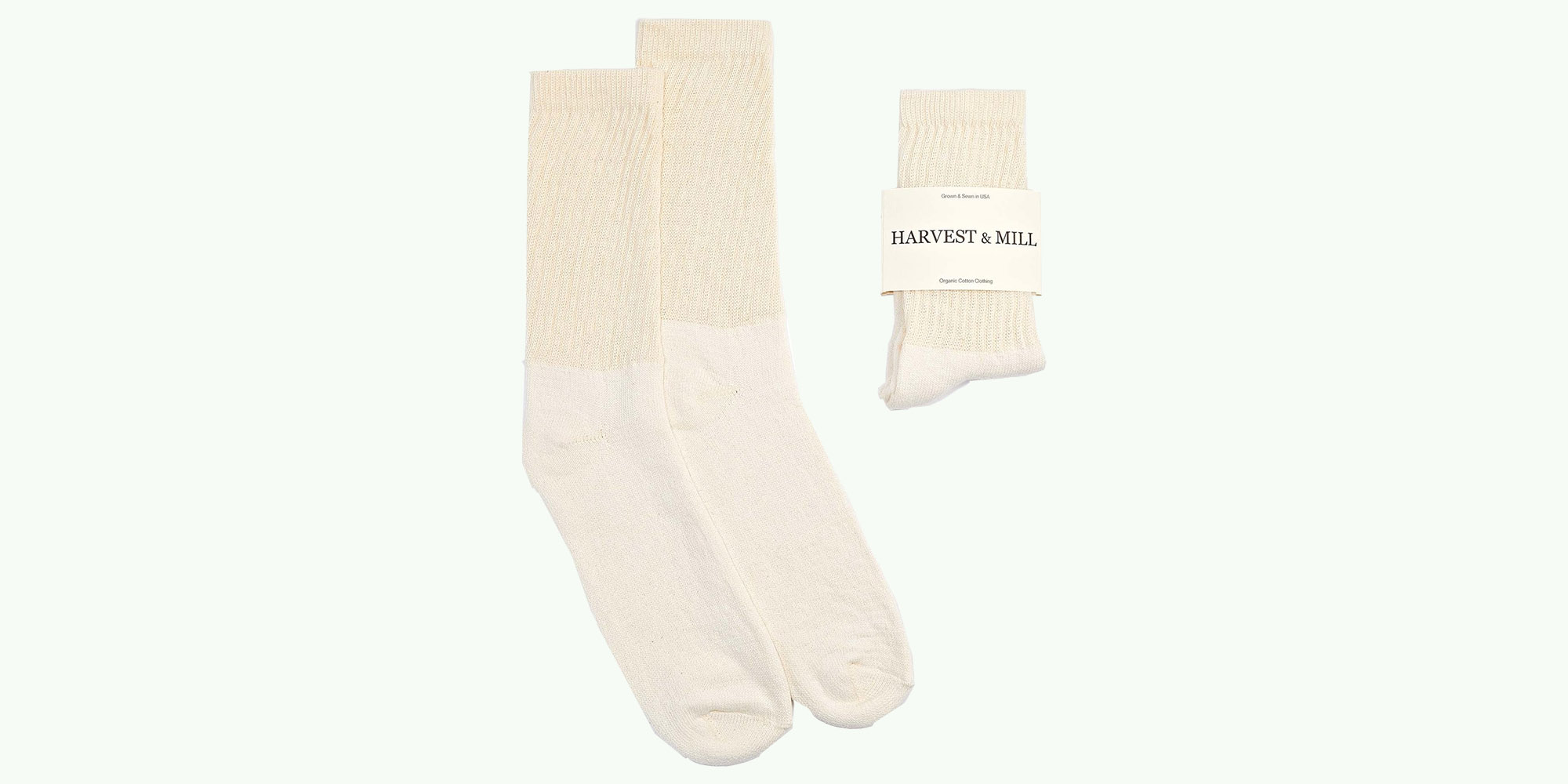
Harvest & Mill pieces are grown, milled, and sewn exclusively in the The states, supporting American organic cotton fiber farmers and local sewing communities. The brand makes basics for everyone, always ensuring they are not dyed or bleached, profoundly reducing the employ of h2o, free energy, and dye materials. Even better, by cultivating dissimilar varieties of cotton, the brand is able to bolster biodiversity, which is essential for ensuring healthy ecosystems and keeping our planet resilient in the face of climatic change.
See the rating.
Shop Harvest & Mill.
Shop Harvest & Manufactory @ Rêve en Vert.
Editor'southward annotation
Images via Unsplash, Fashion Revolution, and the brands mentioned. Good On You publishes the globe'south most comprehensive ratings of fashion brands' bear on on people, the planet and animals. Use our Directory to search more 3,000 brands. We may earn a commission on sales made using our offer codes or affiliate links.
0 Response to "How to Make a Triple Old Fashioned"
Post a Comment